A bathroom sink that drains slower each week, a water heater that groans when it starts, a toilet that runs long after the flush ends — these small signals often arrive before a real problem does. In a Provincetown home or business, where salt air and seasonal demand place extra strain on plumbing, catching these early signs is the difference between a quick adjustment and a flooded floor. Routine plumbing maintenance exists to find those warnings before they turn into emergencies, and that is the work we focus on every day.
Cape Cod Mechanical Systems LLC is your locally owned and operated HVAC, plumbing and electrical specialist. We combine essential services into a single source of expertise and reliability. Fully licensed, insured and knowledgeable in all aspects of residential, commercial and light commercial requirements, we continue 35 years of exceptional customer care, conscientious job performance and 24/7 assistance throughout Provincetown, Cape Cod, and Hyannis.
What Plumbing Maintenance Actually Involves in Provincetown
Many people think of plumbing only when something breaks. Maintenance reverses that thinking. Instead of waiting for a leak or a clog, we inspect the full system on a planned schedule and correct small issues while they are still small. A maintenance visit is a controlled, methodical review of every part of your plumbing that carries water in and waste out.
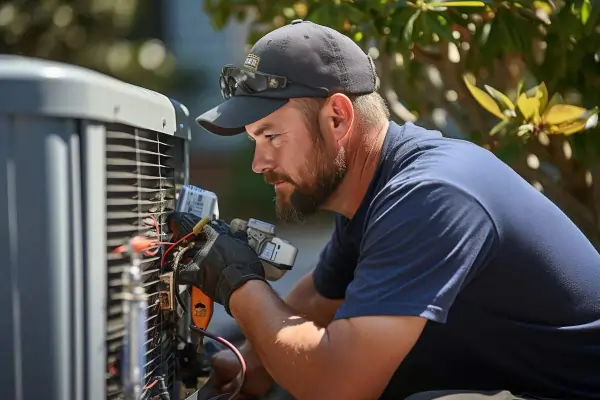
During a standard visit, we examine supply lines, drain lines, shutoff valves, fixtures, the water heater, and any exposed piping. We check water pressure with a gauge, test drainage speed, look for corrosion at joints, and listen for the subtle sounds that point to hidden trouble. In Provincetown, where many properties are older cottages and seasonal rentals, these inspections often reveal aging galvanized pipe, worn supply hoses, and fittings weakened by coastal moisture.
Common Questions We Hear From Provincetown Property Owners
One of the first questions is always how often maintenance should happen. For most homes, an annual inspection is enough. For rental properties, restaurants, and businesses that see heavy seasonal use, twice a year makes far more sense. The summer surge in Provincetown pushes plumbing systems hard, and a pre-season check followed by a post-season review keeps small problems from stacking up during your busiest months.
Another frequent question concerns older homes. Property owners worry that an inspection will uncover expensive surprises. The truth is the opposite — finding a corroded valve or a slow drip now is far cheaper and far less disruptive than discovering it after the ceiling below has stained or the subfloor has rotted. Maintenance gives you information and time, which are the two things an emergency never does.
People also ask whether maintenance really prevents clogs. It does not guarantee a system will never clog, but it dramatically reduces the odds. By clearing early buildup, verifying drain slope, and checking venting, we keep waste moving the way it should. A drain that flows freely under test conditions is far less likely to back up during a holiday weekend when the house is full.
Our Maintenance Process Step by Step
We follow a consistent sequence so nothing is overlooked. Each item builds on the one before it, giving us a complete picture of the system before we make any recommendations.
- Water pressure check: We measure incoming pressure with a calibrated gauge. Pressure that is too high stresses fittings and appliances, while pressure that is too low points to a restriction or a failing regulator.
- Fixture and faucet inspection: We test every faucet, showerhead, and valve for leaks, drips, and smooth operation, then replace worn washers or cartridges when needed.
- Drain and vent evaluation: We run water through each drain to confirm flow speed and watch for gurgling that signals a venting problem.
- Water heater review: We check the temperature setting, inspect the pressure relief valve, look for sediment signs, and confirm safe venting on gas units.
- Shutoff valve testing: We verify that main and fixture shutoffs turn freely, because a seized valve during a leak turns a minor event into a major one.
- Visible pipe inspection: We examine accessible piping for corrosion, condensation, and early signs of leaks at joints and connections.
After the inspection, we give you a clear summary of what we found. If a repair is needed, we explain why, describe the options, and let you decide. We never pressure you into work you do not understand or want. The goal of each visit is a system you can trust through the next season.
Technical Details That Make Maintenance Effective
Good maintenance depends on knowing the right targets for each component. Residential water pressure should generally sit between 40 and 60 psi. When we see readings above 80 psi, we recommend a pressure reducing valve, because sustained high pressure shortens the life of every fixture and can void appliance warranties. Water heater temperature belongs around 120 degrees Fahrenheit — hot enough to limit bacteria growth and perform well, but low enough to avoid scald risk and reduce energy waste.
We also pay close attention to materials. Coastal properties often mix piping types installed across different decades — galvanized steel, copper, CPVC, and PEX. Where dissimilar metals meet, galvanic corrosion can eat through a joint over time, so we look specifically at those transition points and recommend dielectric unions when they are missing. The salt-laden air in Provincetown accelerates this kind of corrosion, which is why inland maintenance schedules do not always fit homes this close to the water.
Where Plumbing Maintenance Pays Off Most
The value of maintenance shows up clearly across different property types. In seasonal rental cottages, a spring check prevents mid-season failures that would otherwise send guests home and cost you bookings. In year-round homes, regular attention protects against the slow, hidden leaks that drive up water bills and quietly damage structure. In restaurants and small commercial kitchens, consistent drain and grease-line maintenance keeps operations running during peak hours and helps you stay on the right side of health inspections.
Winterization is another area where maintenance matters enormously in this region. Many Provincetown properties sit empty through the cold months, and a single frozen, burst pipe can cause thousands of dollars in damage before anyone notices. Part of our seasonal maintenance work includes draining systems, insulating vulnerable lines, and confirming that shutoffs hold, so an unoccupied home comes through winter intact.
Why Property Owners Choose Cape Cod Mechanical Systems LLC
With 35 years of service across the Cape, we have seen nearly every plumbing situation a coastal property can produce. That experience shapes how we inspect, what we look for, and how we prioritize repairs. We do not treat maintenance as a checklist to rush through — we treat it as the foundation of a plumbing system that keeps working when you need it.
Because we handle HVAC, plumbing, and electrical under one roof, we see how these systems interact. A water heater issue, for example, often overlaps with venting, gas supply, or electrical connections, and having one team that understands all of it means fewer missed details and no finger-pointing between contractors. When you schedule maintenance with us, you also gain access to our 24/7 assistance, so if something does go wrong between visits, help is a phone call away.
Protecting your plumbing is far easier and far less costly when it is done on a plan rather than in a panic. Reach out to Cape Cod Mechanical Systems LLC to set up plumbing maintenance for your Provincetown home or business, and let us keep your water running clean, safe, and trouble-free all year.