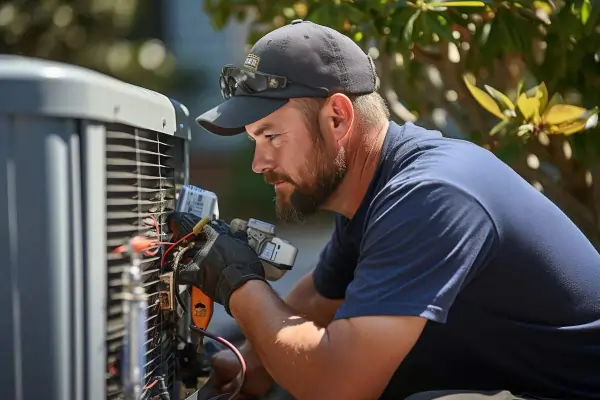
A standard residential water heater holds between 40 and 80 gallons, heats that water to roughly 120 degrees, and keeps it ready around the clock. When that tank fails, you feel it immediately in a cold shower or a puddle on the basement floor. Getting a new unit installed correctly, sized to your household, and vented to code is the difference between years of quiet service and a repeat problem a few months later. At Cape Cod Mechanical Systems LLC, water heater installation in Hyannis, MA is one of the plumbing services we handle start to finish, from removing the old tank to firing up the new one and confirming it holds temperature.
Choosing the Right Type of Water Heater in Hyannis
Not every home needs the same kind of water heater. The first conversation we have on any installation is about how much hot water you use, how many people live in the home, and what fuel source you already have in place. A family of five who run back-to-back showers each morning has very different demands than a couple in a smaller home. Matching the unit to the actual load prevents both the frustration of running out of hot water and the waste of paying to heat water you never use.
There are several common configurations we install throughout the area, each with its own strengths and ideal setting. The right choice depends on your space, your budget over the long term, and how you want the system to behave day to day.
- Conventional tank water heaters: A reliable, familiar choice that stores a set volume of heated water and refills as you draw it down – well suited to steady, predictable household use.
- Tankless on-demand units: These heat water only as it flows, saving space and energy, and they never run out during long periods of continuous demand.
- Heat pump water heaters: Highly efficient models that pull heat from the surrounding air, lowering operating costs in the right installation setting.
- Gas and electric models: We work with both fuel types and help you weigh recovery speed, venting needs, and ongoing cost before committing.
How We Size a Water Heater Correctly
Sizing is where many installations go wrong before the first fitting is ever cut. A tank that is too small leaves you short on hot water during peak hours. A tank that is too large wastes energy keeping a surplus hot that nobody uses. For tank units, we look at the first-hour rating, which measures how much hot water the unit can deliver in a busy hour, and we compare that against your peak household demand. For tankless units, we calculate flow rate in gallons per minute and the required temperature rise based on the incoming groundwater temperature, which runs cooler here near the coast than it does inland.
Getting these numbers right matters because the water coming into a Cape home in the middle of winter can be considerably colder than the summer supply. A tankless unit that performs well in July may struggle to keep up in January if the temperature rise was not calculated with cold-season conditions in mind. We factor seasonal variation into every sizing decision so your system performs the same in February as it does in August.
Our Installation Process Step by Step
Every water heater installation follows a clear sequence that protects your home and your new equipment. We begin by shutting off the water supply and the fuel or electrical source to the existing unit, then draining the old tank completely before disconnecting it. Removing a full tank without a controlled drain is how floors get damaged, so we take the time to empty it properly and carry the old unit out.
Once the space is clear, we set the new unit in position and connect the water lines, often upgrading old or corroded shutoff valves and fittings at the same time. For gas models, we connect and leak-test the gas line and confirm the venting is clear and properly pitched. For electric and heat pump units, we verify the circuit, breaker size, and wiring match the unit’s requirements. We install a new temperature and pressure relief valve with a correctly routed discharge line, fill the tank, purge the air from the lines, and bring the unit up to temperature. Before we leave, we check for leaks at every connection and confirm the thermostat holds the setting.
Code Compliance and Safety Details
A water heater is a pressurized vessel that holds very hot water and, in gas models, burns fuel inside your home. That combination makes code compliance a safety matter, not a formality. The temperature and pressure relief valve is a critical component – it opens if pressure or temperature climbs too high, preventing a dangerous buildup. We install it correctly every time and route the discharge line to a safe location. Expansion tanks are another detail we address where a closed plumbing system requires one to absorb the pressure that rises as water heats.
Combustion air and venting are equally important on gas units. A unit that cannot draw enough air or exhaust its combustion gases properly is both inefficient and hazardous. As a fully licensed and insured contractor, Cape Cod Mechanical Systems LLC installs every unit to meet current code, and we handle the technical specifications – venting material, clearances, gas line sizing, and electrical connections – so you do not have to worry about whether the job was done right.
Residential and Commercial Applications
Hot water demand looks different in a home than it does in a business, and we install for both. In a residence, the goal is steady, dependable hot water for showers, laundry, dishwashing, and daily routines. We help homeowners decide whether a straightforward tank replacement makes sense or whether switching to a tankless or heat pump model fits their long-term plans better.
Commercial and light commercial settings push far more water through the system. A restaurant, salon, laundromat, or small lodging property may need high-recovery units or multiple heaters working together to keep up with continuous demand. We size these systems for sustained load rather than occasional peaks, and we build in the redundancy that keeps a business running if one unit needs service. Because we handle HVAC, plumbing, and electrical work under one roof, a commercial installation that touches all three trades stays coordinated without the headache of juggling separate contractors.
Why Work With Cape Cod Mechanical Systems LLC
We are your locally owned and operated HVAC, plumbing, and electrical specialist, and we combine those essential services into a single source of expertise and reliability. That matters on a water heater installation because the job rarely lives in just one trade – gas, water, venting, and electrical all come together in one piece of equipment. Having a team that understands every part of that picture means fewer callbacks and a cleaner result.
With 35 years of exceptional customer care, conscientious job performance, and 24/7 assistance, we serve homeowners and businesses across Provincetown, Cape Cod, and Hyannis. Fully licensed, insured, and knowledgeable in all aspects of residential, commercial, and light commercial requirements, we treat every installation as if the system were going into our own home. When your water heater fails or you are ready to upgrade to something more efficient, reach out to Cape Cod Mechanical Systems LLC and we will help you choose, size, and install the right unit for the way you actually use hot water.