A single outdoor condensing unit connected to multiple indoor units, each one heating or cooling a room to its own setpoint, with no ductwork snaking through your attic — that is the core advantage of a variable refrigerant flow system. At Cape Cod Mechanical Systems LLC, we design, install, and service VRF systems for homes and businesses that want precise comfort control, quiet operation, and lower energy bills. Below, we walk through how these systems work, where they fit best, and what you should expect when you choose VRF for your property.
What a VRF System Actually Does
VRF stands for variable refrigerant flow. Instead of running a compressor at full speed and cycling it on and off, a VRF system continuously adjusts the amount of refrigerant it sends to each indoor unit. This is done with inverter-driven compressors that ramp up or down based on the exact load in each zone. When a bedroom needs only a small amount of cooling while a living room needs a lot, the system delivers precisely what each space requires at that moment.
This constant modulation is the reason VRF systems are so efficient. A conventional system wastes energy every time it starts and stops, and it often overshoots the target temperature. A VRF system holds a steady temperature with far less fluctuation, which keeps rooms comfortable and reduces the wear that comes from frequent starting. For properties across Cape Cod, where humidity and shoulder-season temperature swings are common, this steady performance makes a noticeable difference.
Heat Pump and Heat Recovery Configurations
VRF comes in two main forms, and choosing the right one depends on how you use your building. A heat pump VRF system heats or cools all connected zones at the same time. This works well for homes and smaller commercial spaces where every area tends to need the same thing — all heating in winter, all cooling in summer.
A heat recovery VRF system goes a step further. It can heat some zones while cooling others simultaneously, and it captures heat pulled from the rooms being cooled to warm the rooms that need heat. This is ideal for larger buildings with mixed exposures, such as an office with sun-facing conference rooms that need cooling while interior rooms need warmth. When we evaluate your property, we help you understand which configuration fits your usage and budget. The factors we weigh include:
- Building size and zoning: the number of distinct areas that need independent control
- Simultaneous demand: whether different rooms frequently need heating and cooling at the same time
- Exposure and orientation: how sun and shade affect individual zones throughout the day
- Future expansion: whether you plan to add zones or change the building layout later
Why VRF Fits Cape Cod Properties
Many homes in Provincetown, Cape Cod, and Hyannis are older, with plaster walls, finished attics, and layouts that make traditional ductwork difficult or destructive to install. VRF systems solve this problem because they use small refrigerant lines rather than bulky ducts. A technician can route these lines through tight spaces with minimal disruption to the structure, which protects the character of historic properties while still delivering modern comfort.
Coastal climates also place real demands on heating and cooling equipment. Salt air, damp conditions, and the wide temperature range between seasons all affect how a system performs over time. VRF equipment is engineered to handle low outdoor temperatures better than many older heat pumps, maintaining strong heating output even on cold winter mornings. Combined with the dehumidification benefits of steady, modulated operation, this makes VRF a smart match for the specific conditions we see across the region.
Our Design and Installation Process
A VRF installation succeeds or fails on the quality of its design. Oversizing wastes money and shortens equipment life, while undersizing leaves rooms uncomfortable on the hottest and coldest days. At Cape Cod Mechanical Systems LLC, we begin every project with a careful load calculation that accounts for square footage, insulation, window area, occupancy, and local climate data. This gives us an accurate picture of what each zone actually needs rather than a rough guess.
From there, we plan the refrigerant piping layout, select the right indoor unit style for each room, and position the outdoor condensing unit where it will run efficiently and remain protected. Indoor units come in several forms, and we match each one to the space it serves:
- Wall-mounted units: compact and quick to install, ideal for bedrooms and offices
- Ceiling cassettes: recessed into the ceiling for even air distribution in larger open rooms
- Ducted air handlers: hidden above a ceiling or in a closet when a discreet look is preferred
- Floor-mounted units: a practical choice for rooms with limited wall and ceiling space
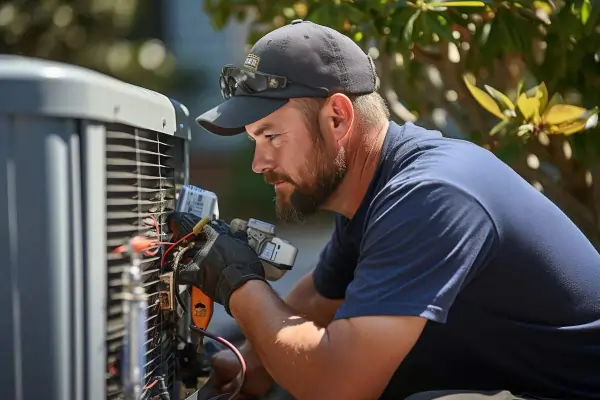
Once the layout is approved, our licensed technicians handle the full installation — mounting units, running and pressure-testing refrigerant lines, making electrical connections, and setting up the controls. We verify refrigerant charge, confirm airflow, and test every zone before we consider the job complete. Proper commissioning at this stage is what ensures the system delivers the efficiency and comfort it was designed for.
Controls and Smart Operation
One of the most appreciated features of a VRF system is the level of control it gives you. Each indoor unit can be set to its own temperature and schedule, so you never pay to condition rooms that are empty. Modern VRF controls allow you to program setbacks, monitor energy use, and adjust settings from a central panel or a mobile app. For commercial clients, this translates into meaningful operating savings and the ability to track performance across an entire building.
We take the time to show you how to use these controls so the system actually works the way you expect. A well-configured VRF system should feel effortless — the right temperature in the right room without constant adjustment. If your needs change over time, the controls can be reprogrammed, and additional indoor units can often be added to an existing system without replacing the outdoor unit, provided the original design allowed for that capacity.
Maintenance and Long-Term Service
VRF systems are durable, but they reward regular attention. Clean filters, correct refrigerant charge, and clear condensate drains keep the system running at peak efficiency and extend its service life. We recommend scheduled maintenance visits during which we inspect electrical connections, check refrigerant pressures, clean indoor and outdoor coils, and verify that each zone responds correctly to its controls. Catching small issues early prevents the kind of failures that leave you without heat or cooling at the worst possible time.
Because we are a single-source provider of HVAC, plumbing, and electrical services, we can address every part of your system under one roof. That matters with VRF, where electrical supply, equipment performance, and controls all have to work together. When something needs attention, you are not coordinating between separate contractors — you are working with one team that understands the whole installation.
Why Choose Cape Cod Mechanical Systems LLC
Cape Cod Mechanical Systems LLC is your locally owned and operated HVAC, plumbing, and electrical specialist. We combine essential services into a single source of expertise and reliability. Fully licensed, insured, and knowledgeable in all aspects of residential, commercial, and light commercial requirements, we continue 35 years of exceptional customer care, conscientious job performance, and 24/7 assistance throughout Provincetown, Cape Cod, and Hyannis and surrounding areas.
When you invest in a VRF system, you are making a decision that affects your comfort and your energy costs for many years. Our goal is to design and install a system that fits your property precisely, then stand behind it with responsive service whenever you need us. Reach out to discuss whether a VRF system is the right choice for your home or business, and we will give you clear, honest guidance from the first conversation through long-term support.